Barcelona Tourism Trends 2025: What Businesses Must Know
Barcelona's visitor recovery masks shifting stay lengths and daytripper surge. How local hospitality businesses are adapting to fundamental market changes.
Barcelona's visitor recovery masks shifting stay lengths and daytripper surge. How local hospitality businesses are adapting to fundamental market changes.
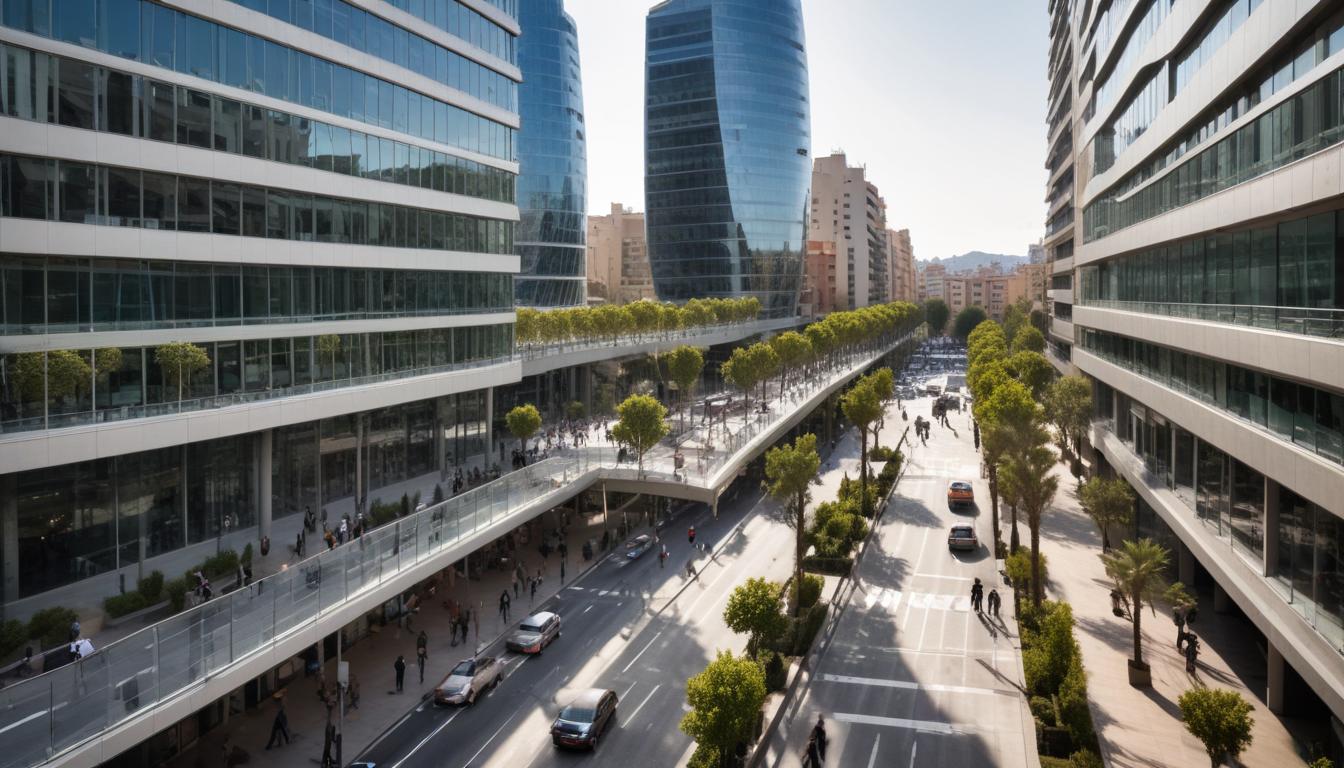
Barcelona's visitor numbers have rebounded to near pre-pandemic levels, with the Port Authority reporting 2.7 million cruise passengers in 2025 alone. Yet beneath these headline figures lies a more complex reality that hospitality operators, retailers, and accommodation providers must urgently understand.
The composition of tourism has fundamentally shifted. While international leisure travel has recovered strongly, the average length of stay has compressed from 4.2 nights in 2019 to 2.8 nights today. This matters enormously for mid-range hotels and apartment rentals banking on repeat spending across multiple days. Simultaneously, daytrippers—particularly from neighbouring regions via improved rail connections—now account for nearly 35% of visitor footfall, according to Barcelona Activa's latest tourism intelligence brief.
Neighbourhood patterns have scattered traditional concentrations. The Gothic Quarter remains saturated, but visitor density has shifted noticeably toward Sant Antoni, Gràcia, and the Born district, where independent retailers and smaller hospitality venues report stronger performance than their Las Ramblas counterparts. A corner café on Carrer del Carme now commands premium footfall that would have seemed unlikely five years ago.
Spending behaviour has polarised. Ultra-luxury experiences—particularly fine dining, exclusive boutiques around Passeig de Gràcia, and curated wellness retreats—are thriving. Conversely, the mid-market segment is tightening. Average daily spend has actually declined 8% year-on-year despite higher headline prices, suggesting visitors are trading down or consuming strategically.
Digital transformation has accelerated unevenly. Businesses offering seamless online booking, multilingual customer service, and real-time availability management are capturing disproportionate market share. Traditional establishments without robust digital infrastructure are losing ground, particularly among younger demographic segments who represent growing visitor cohorts from emerging markets.
Sustainability concerns are morphing from marketing talking points into genuine commercial pressure. The Barcelona City Council's ongoing discussions about visitor caps and environmental impact are creating regulatory uncertainty. Businesses should interpret this not as temporary political noise but as a signal of structural change. Forward-thinking operators are already repositioning toward higher-value, lower-volume models.
For businesses operating across the visitor economy, the message is clear: recovery statistics mask significant reallocation of opportunity. Success increasingly depends on understanding granular visitor psychology, investing in digital capabilities, diversifying revenue streams beyond traditional accommodation and food service, and positioning for a fundamentally different tourism landscape than what existed before 2020.
The boom is real. The challenge is ensuring your business model aligns with where demand is actually shifting.
This article was compiled by AI from the sources linked above and screened before publishing. See our editorial standards.
How does this story make you feel?
Spread the word
About this article
Published by The Daily Barcelona
Daily brief
Free, in your inbox before 7am. Weekdays.
More in Business