Barcelona's Tourism Market Shifts: What Business Leaders Must Know Right Now
As visitor patterns reshape across the city, hospitality and retail sectors face new challenges and opportunities in a fractured global travel landscape.
As visitor patterns reshape across the city, hospitality and retail sectors face new challenges and opportunities in a fractured global travel landscape.
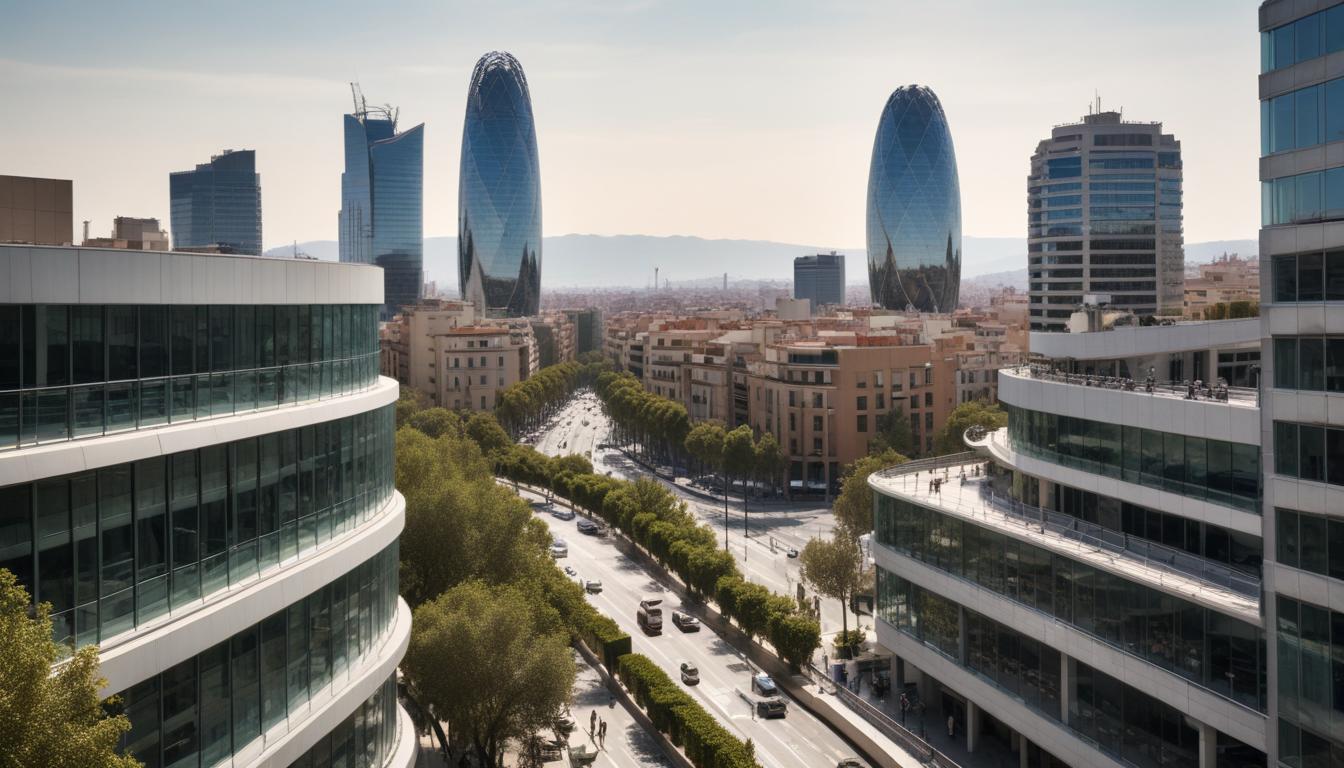
Barcelona's tourism economy is at a inflection point. After years of record-breaking arrivals that strained infrastructure along the Rambla and overwhelmed neighbourhoods like El Gòtic, visitor patterns are fragmenting in ways that demand strategic recalibration from hoteliers, restaurateurs and retail operators across the city.
The headline trend: traditional peak seasons are flattening while shoulder months show unexpected volatility. Industry data suggests mid-week bookings in June and September have surged, while July and August—historically Barcelona's strongest months—are seeing softer demand from core European markets. Hotels in the Passeig de Gràcia corridor and around Sagrada Família report occupancy rates hovering around 78-82%, down from the 88-92% range that became standard between 2022 and 2024.
Geography matters more than ever. While the Gothic Quarter and waterfront areas near Port Vell continue drawing crowds, savvy operators are capitalizing on visitor redistribution toward Sant Antoni, Gràcia, and Poblenou. Hospitality groups investing in these neighbourhoods report stronger margins and more resilient booking patterns than their counterparts in saturated zones.
Currency fluctuations are reshaping visitor composition. North American and Asian travellers—typically higher spenders—are arriving in slightly reduced numbers, while Eastern European visitors are increasing their Barcelona stays. This shift demands menu and service adjustments. Premium restaurants that once catered exclusively to wealthy Western markets are now adapting pricing strategies and experiences to capture value from longer-staying, budget-conscious visitors.
Digital transformation has become non-negotiable. Businesses relying on walk-in traffic or traditional booking channels report significant losses. Those leveraging dynamic pricing algorithms and sophisticated revenue management are recapturing lost ground. The gap between digitally savvy operators and laggards has widened dramatically.
Sustainability messaging is no longer optional marketing gloss—it's operational necessity. Visitors now actively research environmental credentials before booking. Establishments advertising water conservation measures, local sourcing, or reduced plastic use are capturing growing segments of conscious travellers willing to pay premium rates.
Labour cost inflation remains Barcelona's persistent headache. Wage pressures, particularly in hospitality, are squeezing margins despite stable pricing power. Operators report staff turnover rates of 35-45%, up from historical norms of 18-22%.
The path forward requires abandoning one-size-fits-all strategies. Businesses that thrive through 2026-2027 will be those segmenting markets granularly, investing in technology, diversifying revenue streams beyond accommodation, and building authentic local experiences rather than churning generic tourism products. The days of passive profiteering from Barcelona's reputation are ending.
This article was compiled by AI and screened before publishing. See our editorial standards.
How does this story make you feel?
Spread the word
About this article
Published by The Daily Barcelona
Daily brief
Free, in your inbox before 7am. Weekdays.
More in Business