Expats Choose These 5 Barcelona Neighborhoods for 2026 Living
From the Modernista grid of Eixample to the village squares of Gràcia, a neighbourhood-by-neighbourhood guide to renting in Barcelona.
From the Modernista grid of Eixample to the village squares of Gràcia, a neighbourhood-by-neighbourhood guide to renting in Barcelona.
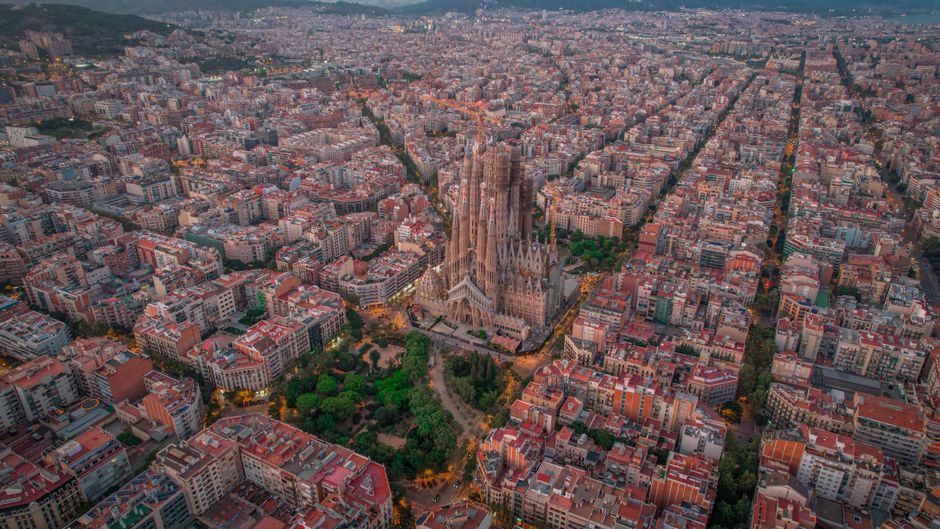
Barcelona consistently ranks among Europe's most desirable cities for expats, and for good reason: Mediterranean weather, world-class architecture, a deep food culture, and a tech scene that has quietly become one of the continent's strongest. But the rental market has tightened considerably. As at early 2026, the average asking rent sits at roughly €15.87 per square metre per month, putting a typical 60-square-metre flat at around €952. In the centre, one-bedroom apartments regularly clear €1,550 per month.
Spain's Law 12/2023 declared Barcelona a "stressed residential market area," meaning new rental contracts are capped at the previous tenant's rent. The IRAV index limits annual increases to 2.14% for 2026. These protections help sitting tenants, but they also mean fewer flats reach the open market. Arriving prepared, with neighbourhood preferences already mapped, makes a material difference.
Most expats start here, and many never leave. The grid layout designed by Ildefons Cerdà gives Eixample its distinctive chamfered blocks, wide pavements, and a legibility rare in European old cities. Modernista landmarks (Casa Batlló, La Pedrera) sit alongside co-working spaces and brunch spots.
Annexed from an independent town in the late 19th century, Gràcia still feels like one. Narrow streets open onto small plaças where neighbours gather in the evenings. Independent cafes, organic grocers, and a strong community calendar (the August Festa Major is legendary) give it a texture no other neighbourhood matches.
Wedged between the Gothic Quarter and Ciutadella Park, El Born packs more personality per square metre than anywhere else in Barcelona. The Picasso Museum, Santa Caterina Market, and a rotating cast of independent fashion boutiques and cocktail bars keep the streets alive well past midnight.
A decade ago, Sant Antoni was a transitional zone between Eixample and Poble Sec. The renovation of the Mercat de Sant Antoni in 2018 catalysed a wave of specialty coffee shops, natural wine bars, and design studios. It now sits firmly in the "trendy but liveable" category.
The 22@ innovation district transformed a former industrial zone into Barcelona's answer to Shoreditch or Kreuzberg. Poblenou retains its low-rise, village-like character along Rambla del Poblenou, while Diagonal Mar offers modern high-rises and direct beach access.
Tucked beneath Montjuïc, Poble Sec offers a genuine neighbourhood feel at prices that leave room in the budget. Carrer de Blai's pintxos bars are a destination in their own right, and the Paral·lel metro hub connects residents to most of the city within 15 minutes.
These outer districts rarely feature in expat guides, which is precisely why they offer the best value. Nou Barris recorded the city's lowest average rent at €12.22 per square metre in Q3 2025. Sant Andreu, one stop further on L1, has a well-preserved historic centre with its own market, church square, and fiesta calendar.
Barcelona's neighbourhoods are genuinely distinct, not just marketing labels on a map. The right barrio depends on whether you optimise for budget (Nou Barris, Poble Sec), community (Gràcia), convenience (Eixample), culture (El Born), or career (Poblenou). Whichever you choose, the rent-cap regime means the days of bidding wars are, at least for now, constrained by law. Move early, bring your documents, and treat the neighbourhood visit as the most important part of your search.
This article was compiled by AI and screened before publishing. See our editorial standards.
How does this story make you feel?
Spread the word
About this article
Published by The Daily Barcelona
Daily brief
Free, in your inbox before 7am. Weekdays.
More in lifestyle


