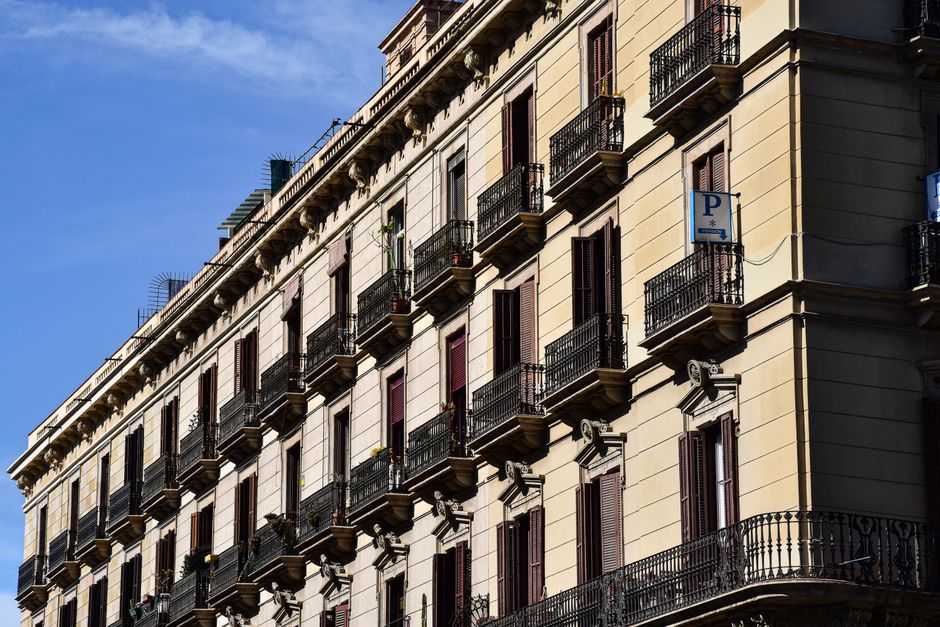
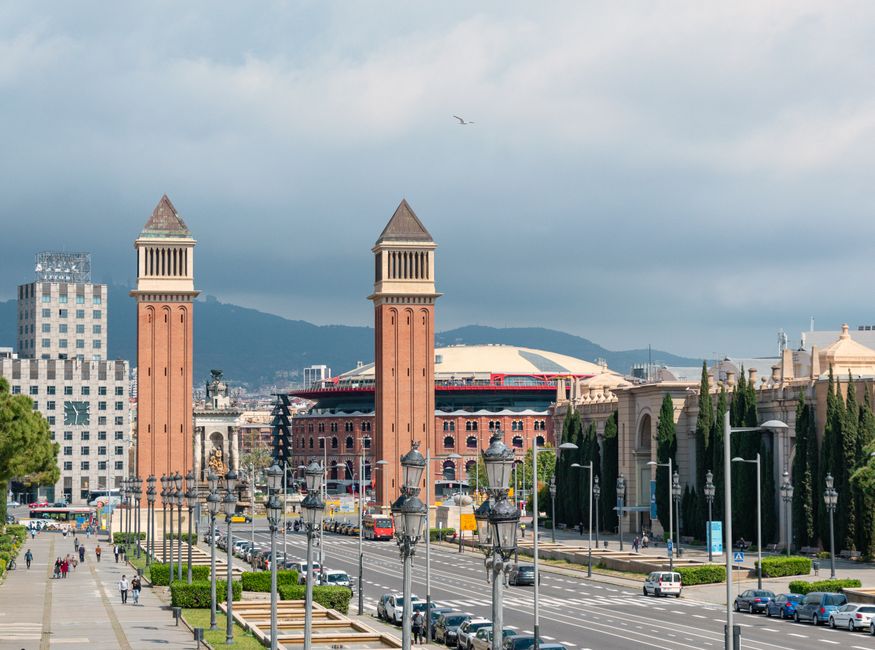
Barcelona's property market is painting a tale of two cities as 2024 unfolds. While newer developments in sprawling suburbs struggle for traction, the city's atmospheric Gothic Quarter (Barri Gòtic) is experiencing a resurgence that's catching both local investors and international buyers off guard.
Recent data shows properties within the medieval streets of the Gothic Quarter have appreciated approximately 8% over the past 18 months, substantially outpacing the city-wide average of 3.2%. A typical two-bedroom apartment in Carrer del Bisbe now commands €485,000–€520,000, compared to €450,000 just a year ago. Meanwhile, comparable properties in the outer Eixample district remain relatively flat at €475,000.
"What we're seeing is a flight to authenticity," explains local estate agent Maria Ventura. "Post-pandemic buyers are prioritising character, walkability, and cultural proximity over square metres. The Gothic Quarter offers that in spades."
The shift reflects broader economic headwinds facing Spain. Interest rate pressures—mirroring concerns raised by central banks across Europe—have dampened enthusiasm for new-build apartments, particularly in the sprawling developments ringing Barcelona. First-time buyers have retreated, with mortgage inquiries down 12% year-on-year according to the Barcelona Chamber of Commerce.
Yet the Gothic Quarter's narrow lanes, tapas bars, and proximity to the seafront are proving recession-resistant. Tourism recovery and remote-work flexibility have created an unlikely cohort: professionals willing to downsize their living space if it means living within Barcelona's most photogenic neighbourhood.
The trend extends to adjacent areas. La Ribera, once overlooked as too touristy, has seen studio and one-bedroom apartments rise from €380,000 to €410,000 in recent quarters. Born Street properties are commanding particular attention, with several sold above asking price in recent months.
Not everyone benefits equally. New apartment complexes in Poblenou and Sarrià—suburbs promoted by developers as the "next frontier"—are experiencing inventory buildup and softening offers. Several projects have delayed completion dates, citing financing challenges.
For Barcelona's property sector, the message is clear: location hierarchy is calcifying. Premium positions in established, characterful neighbourhoods are insulating buyers from broader headwinds, while newer developments lacking cultural cachet face harder sledding. As economic uncertainty persists, Barcelona's centuries-old stones may prove a more reliable investment than modern concrete on the periphery.
This article was compiled by AI and screened before publishing. See our editorial standards.