Barcelona Investors Target Eixample's Rival Beachfront Returns, Less Risk
As foreign capital floods Spain's property market, Barcelona's middle-class neighbourhoods are delivering returns that rival beachfront glamour—with less volatility.
As foreign capital floods Spain's property market, Barcelona's middle-class neighbourhoods are delivering returns that rival beachfront glamour—with less volatility.

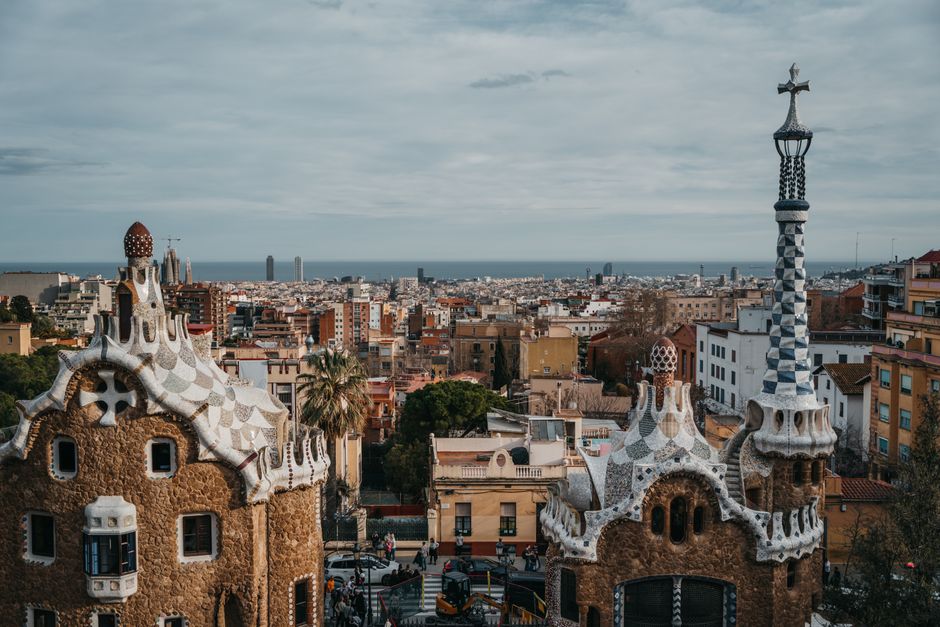
Barcelona's rental investment landscape is experiencing a quiet revolution, and savvy investors are increasingly looking beyond the Gaudí-saturated Gothic Quarter and beachfront penthouses.
The real story is unfolding in Eixample, Gràcia, and Sant Antoni—neighbourhoods where solid rental yields of 5-6% are attracting European and North American capital seeking sustainable returns rather than speculative gains. Property prices in these districts have climbed steadily rather than explosively, making them far more accessible than Passeig de Gràcia's €12,000-per-square-metre luxury segment.
Recent market data reveals Barcelona's residential sector is tightening considerably. Quality apartments in Eixample's upper reaches—particularly around Carrer de Còrsega and Carrer de Còrsega—are now commanding €7,500-€8,500 per square metre, up 8-12% year-on-year. Yet rental demand remains insatiable. A well-maintained two-bedroom in Eixample's Dreta neighbourhood consistently achieves €1,400-€1,800 monthly, translating to those attractive yields investors crave.
Sant Antoni tells an equally compelling story. Once overlooked, this bohemian quarter has transformed into a magnet for young professionals and digital nomads. Properties here trade at €6,500-€7,200 per square metre, with rental rates of €1,100-€1,500 for similar stock. The neighbourhood's weekend market, vintage shops, and emerging food scene make it a natural draw for mid-to-long-term renters willing to pay premium rates.
What's driving this shift? Foreign investment into Spain's property sector surged significantly through 2025, but the easiest gains in trophy locations have been captured. Sophisticated investors now recognise that Barcelona's strength lies in its neighbourhoods with genuine lifestyle appeal and tenant demand—not just postcard views.
The rental market itself offers intriguing advantages. Barcelona's tenant protections are reasonable compared to other European capitals, and the city's position as Spain's tech and creative hub ensures consistent demand. Young professionals working for multinationals and growing startups need housing, and they're willing to pay for proximity to metro lines, cafés, and cultural venues rather than oceanfront positioning.
However, risks exist. Regulatory changes around short-term rentals continue evolving, and Barcelona's rental market remains sensitive to economic headwinds. Interest rate volatility also affects investor calculations for leveraged purchases.
For investors with a three-to-five-year horizon and appetite for active management, Barcelona's Eixample and Sant Antoni neighbourhoods represent a compelling middle path: better yields than prime Barcelona offerings, stronger underlying demand than speculative markets, and genuine lifestyle appeal that sustains tenant quality. That's why the smart money is looking beyond the postcard neighbourhoods.
This article was compiled by AI and screened before publishing. See our editorial standards.
How does this story make you feel?
Spread the word
About this article
Published by The Daily Barcelona
Daily brief
Free, in your inbox before 7am. Weekdays.
More in Property